Electronic voice phenomena, or EVP, refers to sounds found on audio recordings that resemble speech but weren’t audible at the time of recording. It’s one of the most talked-about — and most misunderstood — tools in paranormal investigation.
How we record it
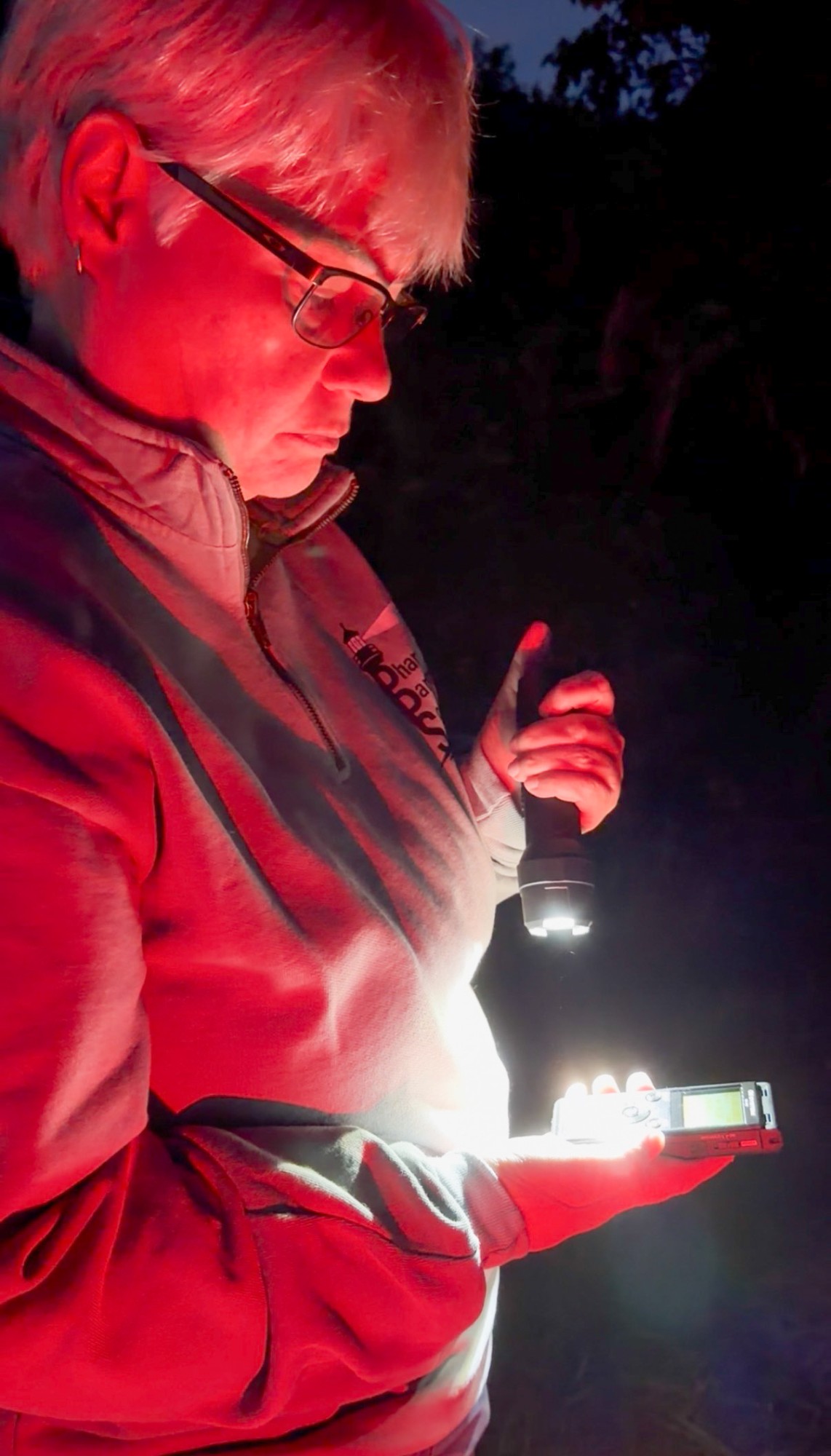
Every EVP session uses two independent recorders running simultaneously, in a room confirmed quiet beforehand. We log ambient noise sources in advance: HVAC systems, nearby roads, plumbing, even other team members’ footsteps. If a sound only shows up on one recorder, it doesn’t make the cut.
How we review it
Anything flagged gets reviewed independently by at least two team members before it’s discussed as a group. We’re specifically listening for whether a “voice” could be pareidolia — the brain’s tendency to find patterns, including words, in random noise. A lot of what gets called EVP online doesn’t survive this step, and that’s fine. We’d rather have fewer clips we trust than a long list we don’t.
What it can and can’t tell us
Even a clear EVP capture isn’t proof on its own. We treat it as one data point alongside everything else gathered during an investigation — historical research, EMF and thermal readings, and the client’s own account. The goal was never to manufacture a dramatic clip. It’s to find out what’s actually going on.